
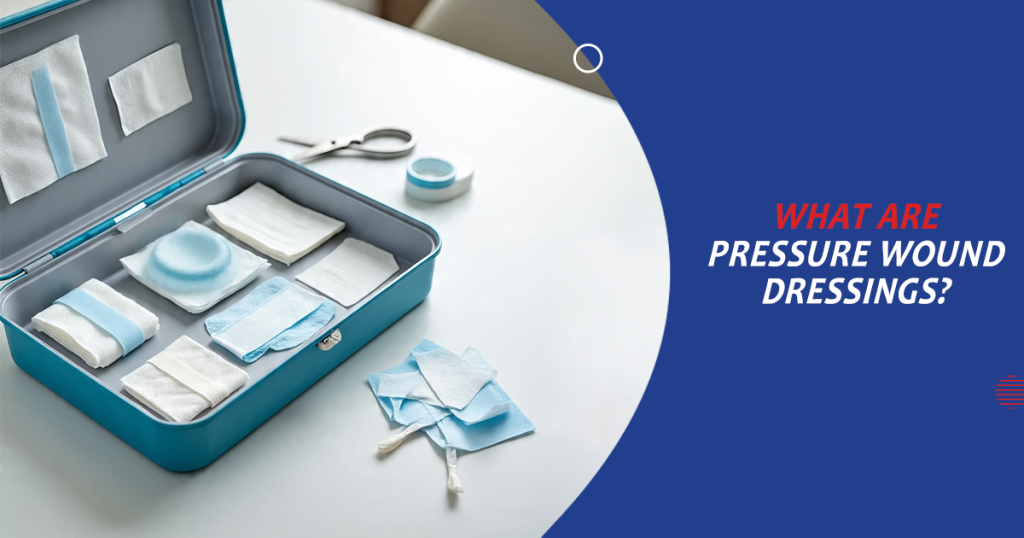
Choosing the right pressure wound dressing for healing chronic wounds or pressure ulcers is essential. The following guide will help you understand the types, uses, and benefits of modern wound dressings for pressure injuries. This guide will include pertinent terms like negative pressure wound dressing, silicone foam dressings, and other relevant words that will help improve understanding and clarity.
What Is Pressure Wound Dressing?
Pressure wound dressing simply refers to a medical dressing that is placed on wounds caused by a prolonged amount of pressure, which in most cases occurs in patients who are bedridden or chair-bound. Dressing is used in several ways to protect, to provide moisture, to keep infection out, and to promote the regeneration of tissue.
Modern wound dressings are often made with different materials than previously used, such as foam dressings to prevent pressure ulcers on a patient, silicone foam dressings to accommodate fragile skin.
Types of Dressings for Pressure Wounds and Their Advantages
Particular dressings are used for different types of wound depth, infection status, and healing stages. Let us separate them.
Silicone Foam Dressings
Silicone foam dressings are absorbent while being gentle. Silicone foam dressings mold to the wound area and are great for patients with sensitive skin.
Advantages:
- Painless removability
- Decreases skin maceration
- Effective on moderate to highly exudative wounds
Negative Pressure Dressings
Negative pressure dressing (NPWT) is a novel dressing that removes fluid and promotes healing with suction. Negative pressure wound therapy dressing is particularly effective for:
- Deep-pressure ulcers
- Infected wounds
- Chronic pressure sores
Foam Dressings to Prevent Pressure Ulcers
These dressings are designed to be used before the integrity of the skin is damaged. They typically act as cushions in the vulnerable parts of the body, such as the heels and hips, and will relieve the pressure that an individual is experiencing.
Selecting the Appropriate Dressing for Pressure Ulcers
The dressing selection ultimately depends on:
- Wound depth
- Exudate levels
- Presence of infection
- Patient mobility
Always discuss any questions you may have regarding an accurate diagnosis and planned intervention with a healthcare professional.
Wound Care Best Practices
Whether you think you’re using a pressure injury dressing or any type of dressing for Pressure ulcers, the important management steps are:
- Clean wounds daily with saline solution or antiseptics.
- Change dressings timely as instructed (e.g., 24-72 hours).
- Use protective cushions and bedclothes to prevent friction.
- Moisturize the skin around the wound with creams approved by the physician.
Commonly Used Terms in Pressure Dressing
Here’s a quick glossary of frequently used terms:
|
Term |
Description |
| Pressure dressing for a wound | Any dressing that creates pressure to control bleeding. |
| Wound Pressure dressing | A general term indicating dressings applied specifically over pressure ulcers. |
| Pressure injury wound dressing | Specifically indicates dressings utilized for Stage 1–4 pressure injuries. |
| Wound care pressure dressing | Uses absorbent and antimicrobial properties that support long-term care. |
Conclusion
Dressings for pressure wound management are necessary in the healing and management of pressure ulcers. Just like the wound itself, there are many different types of pressure wound dressings, such as negative pressure wound therapy dressings, foam dressings for the management and prevention of pressure ulcers, and silicone foam dressings. With adequate care, the right dressing is crucial, becoming a major factor in reducing the healing time for pressure wounds. When combined with proper hygiene and internal support to the individual, the care and type of pressure wound dressing will positively impact the comfort and healing of the individual being treated.
FAQs
How frequently should we change pressure wound dressings?
The frequency ranges from every 1 to 3 days, depending on exudate status and infection status.
Can I use silicone foam dressings on infected wounds?
Yes, provided that the silicone foam dressing has antimicrobial properties.
What is the best dressing for stage 3 pressure ulcers?
Negative pressure wound dressings or hydrocolloid pads are good options.
Are foam dressings reusable?
No, in general, most foam dressings are single-use for hygiene purposes.
Where can I find wound dressing to purchase online?
Visit Gauze Care for good, reliable medical-grade wound dressing.