
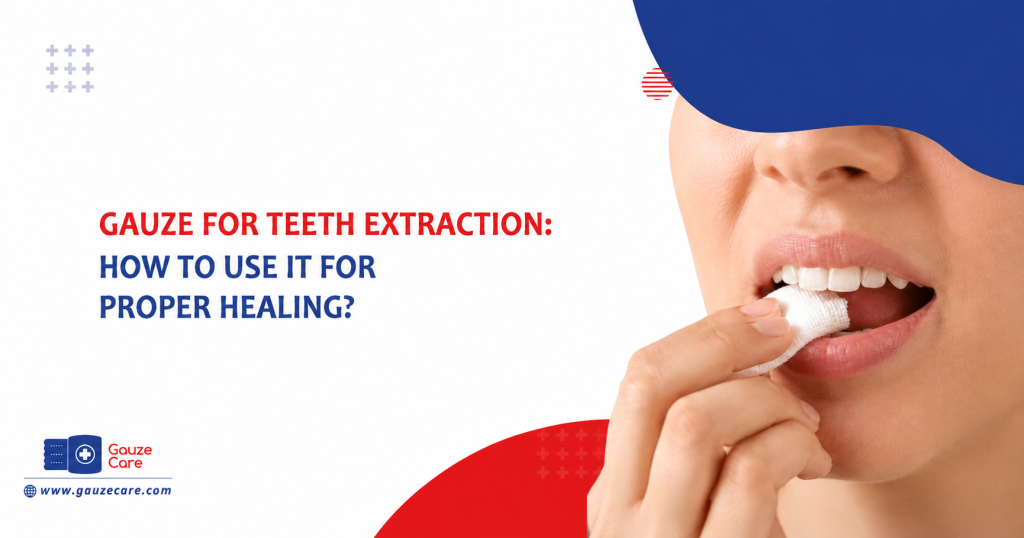
Gauze for teeth extraction is an essential tool for managing bleeding and supporting healing after a tooth is removed. Dentists place sterile gauze over the extraction site immediately after the procedure. This article explains why gauze is important, how to use it correctly, how long to keep it in place, and tips to avoid complications like dry socket. Understanding proper aftercare ensures faster recovery and fewer problems.
What Is Gauze Used for After Tooth Extraction?
Gauze for teeth extraction serves multiple critical purposes. It applies direct pressure to the empty socket, which helps stop bleeding and promotes the formation of a stable blood clot. This clot acts as a natural barrier that protects the bone and nerves underneath while new tissue grows.
Without proper pressure from gauze, excessive bleeding can occur, and the clot may dislodge, leading to complications. Sterile gauze pads also absorb blood mixed with saliva, keeping the area cleaner in the first few hours after surgery.
Why Gauze Is Important After Teeth Extraction
Biting down on gauze creates steady pressure that constricts small blood vessels and encourages clotting. It also shields the fresh wound from food particles, bacteria, and your tongue. This protection is especially vital in the first 24 hours when the risk of infection or dry socket is highest.
How to Use Gauze After Tooth Extraction
Follow these steps for safe and effective use of gauze for teeth extraction:
- Place the gauze pad directly over the extraction site (not just between teeth).
- Bite down firmly but comfortably for 30 to 45 minutes.
- Moisten the new gauze slightly with water before placing it to prevent it from sticking to the forming clot.
- Replace the gauze every 30–45 minutes or as needed until bleeding slows significantly.
- Fold or roll the gauze into a thick enough pad for good pressure.
How Long Should You Keep Gauze After Tooth Extraction?
Biting down on gauze creates steady pressure that constricts small blood vessels and encourages clotting. It also shields the fresh wound from food particles, bacteria, and your tongue. This protection is especially vital in the first 24 hours when the risk of infection or dry socket is highest.
Most patients need gauze for teeth extraction for the first 2 to 4 hours. Bite on the initial pad for 30 to 45 minutes right after the procedure. Change it as needed until the gauze comes out mostly clean or with only light pink staining. Bleeding usually slows within a few hours, but slight oozing can last up to 24 hours.
Do not keep gauze overnight. Once active bleeding stops, remove it to avoid disturbing the clot.
Tips for Better Healing and Bleeding Control
- Avoid spitting, rinsing vigorously, using straws, or smoking for at least 72 hours.
- Use a moist black tea bag as an alternative if you run out of gauze (tannins help with clotting).
- Stay hydrated and eat soft, cool foods on the opposite side of your mouth.
- Apply ice packs externally to reduce swelling.
For wound management during recovery, explore our guide on how often to change a bandage and other wound dressings.
Common Mistakes to Avoid with Gauze
- Changing gauze too frequently — this can disrupt the blood clot.
- Biting too lightly or placing gauze incorrectly.
- Removing gauze too soon or leaving it in too long.
- Touching the area with your fingers or tongue.
If bleeding remains heavy after several hours of proper gauze use, contact your dentist immediately.
When to Stop Using Gauze
You can stop using gauze for teeth extraction once bleeding has reduced to a minimal ooze or stopped completely — usually within 2–6 hours. If the gauze shows mostly saliva with little to no blood, it is safe to discontinue. Persistent heavy bleeding beyond 24 hours requires professional attention.
Conclusion
Gauze for teeth extraction plays a vital role in controlling bleeding and protecting the blood clot needed for proper healing. By following correct usage guidelines, you can minimize discomfort and reduce the risk of complications. Always follow your dentist’s specific instructions and maintain good oral hygiene during recovery. GauzeCare offers high-quality sterile gauze pads perfect for dental procedures and general wound care.
Frequently Asked Questions
How long do you keep gauze in after tooth extraction?
Bite on the first gauze pad for 30–45 minutes, then replace every 30–45 minutes until bleeding slows, typically within a few hours.
What happens if I don’t use gauze after tooth extraction?
Without gauze pressure, bleeding may continue longer and the blood clot may not form properly, increasing the risk of dry socket and delayed healing.
Can I sleep with gauze in my mouth after extraction?
No. Remove gauze before sleeping to avoid accidentally swallowing it or disturbing the clot.
Is it normal for bleeding to continue after removing gauze?
Light oozing or pink saliva is normal for up to 24 hours. Heavy bleeding that soaks gauze quickly is not normal and needs attention.