
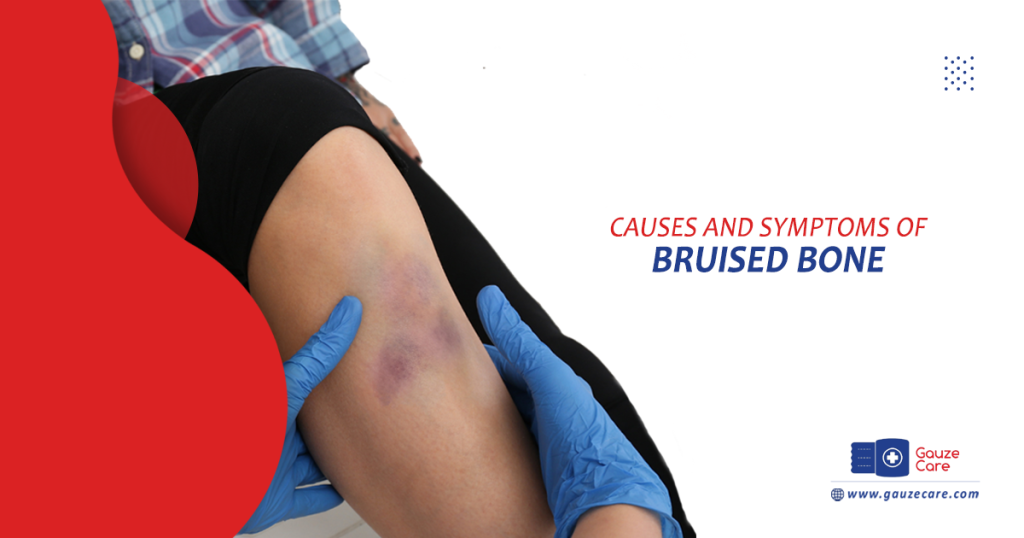
A bruised bone is more painful and serious than a typical soft tissue bruise. Unlike surface bruises, a bone bruise affects the inner layers of bone tissue. Understanding bone bruise symptoms, causes, and treatment can help you recover faster and avoid complications. This article explains what is bone bruise, how it differs from a fracture, and how long healing takes.
What Is a Bruised Bone?
A bone bruise, also called a contusion of the bone, occurs when tiny blood vessels inside the bone are damaged. It does not break the bone completely but injures the inner layer beneath the hard outer shell. Can bones be bruised in different ways? Yes, the injury ranges from mild to severe depending on the force of impact. Bone bruises are more serious than soft tissue injuries but less severe than fractures. Unlike a surface bruise, the damage occurs within the trabecular layer just inside the cortical shell.
Different Types of Bone Bruises
Bone bruises are classified by the location of damage within the bone. The three main types are subperiosteal, intraosseous, and subchondral bruises. Each type varies in depth, severity, and recovery time. The most commonly affected bones include the tibia, femur, and fibula. Knowing the type of bone bruise helps guide appropriate treatment for bone bruise.
Tibia Bone Bruise
A tibia bone bruise – sometimes associated with a tibia fracture bruise pattern – occurs on the large lower leg bone. It is common after a direct blow to the shin during contact sports or a fall. Pain is felt directly over the bone, not in the surrounding muscle. It may resemble a shin splint but is more localized and persistent. Tibia bone bruises often take longer to heal than soft tissue injuries.
Femur Bone Bruise
A bone bruise femur injury occurs on the thighbone, one of the largest and strongest bones in the body. It typically follows high-impact events such as car accidents, sports collisions, or heavy falls. Deep thigh pain that does not improve with rest may indicate femur involvement. Swelling and tenderness along the thigh are common. Imaging is usually required to confirm the diagnosis.
Fibula Bone Bruise
A bruised fibula bone is less common but can occur after a lateral ankle sprain or a direct blow to the outer leg. The fibula runs alongside the tibia and helps support the ankle joint. Pain along the outer leg below the knee may suggest fibula involvement. This injury is often mistaken for a sprain, which can delay proper treatment. An MRI is the most reliable way to confirm this type of bruise.
What Causes a Bone Bruise?
Bone bruises develop when a sudden force damages the bone’s inner structure without fully breaking it. Common causes include:
Direct Trauma or Impact
A strong blow to the bone such as during contact sports, falls, motor vehicle accidents, or collisions can compress the bone and injure its internal tissue without causing a full fracture.
Repetitive Stress and Overuse
Activities involving repeated loading of bones such as running or jumping can lead to microdamage over time. This may result in a stress-related bone bruise pattern, especially in athletes.
Joint Injuries and Sprains
Bone bruises often occur alongside ligament injuries, particularly in joints like the knee and ankle. Twisting motions or sudden changes in direction can cause both soft tissue damage and underlying bone bruising.
Reduced Bone Strength (Age-Related Factors)
In older adults, decreased bone density makes bones more susceptible to bruising even from minor impacts, increasing the risk of internal bone injury without a visible fracture.
Bruised Bone Symptoms
Bruised bone symptoms can overlap with soft tissue injuries, making diagnosis challenging without imaging. However, certain signs point specifically to bone involvement. Unlike a surface bruise, symptoms of a bone bruise tend to be deeper, more intense, and longer-lasting. If you experience any of the following, seek medical evaluation:
Deep, Localized Bone Pain
A persistent, aching pain felt directly over the affected bone rather than in the surrounding muscle. This pain often intensifies with pressure or movement.
Swelling and Tenderness
Noticeable swelling and sensitivity around the injury site, sometimes accompanied by visible skin discoloration similar to a surface bruise.
Joint Stiffness and Limited Movement
Stiffness in a nearby joint that makes movement uncomfortable or restricted, especially after periods of rest or inactivity.
Pain with Activity and Delayed Healing
Pain that worsens with weight-bearing or physical activity and does not significantly improve after several days of rest, indicating deeper bone involvement.
An MRI scan is the gold standard for confirming a bone bruise diagnosis. X-rays can detect fractures but often miss internal bone damage entirely.
What Is the Treatment for a Bone Bruise?
Treatment for bone bruise focuses on protecting the injured area, managing pain, and reducing swelling. Most mild cases can be managed at home with consistent care. Applying the rice method for bruises – Rest, Ice, Compression, and Elevation – is the most widely recommended starting point. Using a compression bandage for swelling helps limit fluid buildup and stabilizes the area during early bone bruise recovery.
Key treatment steps include:
- Rest the affected limb and avoid weight-bearing activities until pain subsides.
- Apply ice wrapped in a cloth for 15 to 20 minutes every few hours.
- Use a compression bandage to reduce swelling and support the injured area.
- Elevate the injured limb above heart level to reduce fluid accumulation.
- Take over-the-counter pain relievers such as ibuprofen as recommended by a doctor.
- Wear protective bracing or padding to prevent re-injury during activity.
For severe bruised bones, a doctor may recommend physical therapy or additional imaging to rule out a fracture. Always follow your healthcare provider’s specific guidance. Our guide on 10 types of wound dressings and their uses may also be helpful if the skin around the injury site has been broken.
How to Tell If a Bone Is Fractured or Bruised
Bone bruise vs fracture is a common diagnostic challenge. Both conditions cause pain, swelling, and tenderness in the affected area. However, key differences exist between them. A fracture involves a complete or partial break in the bone structure. A bruised bone leaves the bone intact but damages the internal trabecular tissue.
Signs that may point to a fracture rather than a bruise include:
- Visible bone deformity or unnatural alignment of the limb
- Severe, immediate pain that prevents any movement
- An audible crack or snap at the time of injury
- Complete inability to bear weight on the affected limb
An X-ray can detect fractures but may miss bone bruises entirely. An MRI is required to detect internal bone damage. If pain persists after several days of rest and ice, consult a healthcare provider for imaging. Early and accurate diagnosis ensures the right treatment path and prevents complications.
How Long Does a Bruised Bone Take to Heal?
Bone bruise healing time varies based on location, severity, and the patient’s overall health. Minor bone bruises may resolve within 4 to 6 weeks. More severe injuries can take 2 to 4 months for complete bone bruise recovery. The bruise bone heal time is longer than soft tissue injuries because bone receives a more limited blood supply.
Factors that affect bone bruise healing time include:
- The size and depth of the internal bone bruise
- Whether the injury involves a joint such as the knee or ankle
- The patient’s age and bone density
- Whether proper rest and treatment protocols are followed consistently
Returning to high-impact activity too soon can worsen the injury or cause a full fracture. Follow your healthcare provider’s timeline for returning to normal movement. For wound care needs during recovery, our guide on how often to change a bandage offers practical tips that apply during post-injury wound management.
Conclusion
A bruised bone is a painful but manageable injury when treated correctly. Understanding bone bruise symptoms, causes, and healing timelines allows for smarter recovery decisions. Apply the RICE method early, protect the area from further impact, and consult a doctor if pain persists or worsens. With consistent care and adequate rest, most bone bruises heal fully without long-term complications.
Frequently Asked Questions
What Does a Bruised Bone Feel Like?
It produces a deep, persistent ache felt beneath the skin rather than on the surface. The pain is more intense and longer-lasting than a typical soft tissue bruise. Pressing directly on the bone causes sharp tenderness. During movement or weight-bearing, the pain often increases noticeably. Many patients describe it as a throbbing or crushing sensation at the bone level.
How to Know If You Have a Bruised Bone
It starts with recognizing the key signs: deep bone-level pain, prolonged swelling, and tenderness directly over the bone surface. If symptoms do not improve after a few days of rest and ice, seek medical evaluation. An MRI provides the most accurate confirmation. Do not rely on X-rays alone, as they typically do not detect bone bruises.
How Painful Is a Bone Bruise?
Surprisingly intense for many patients. Some describe it as more painful than a fracture in the early stages. The pain is deep and throbbing and tends to worsen with physical activity or direct pressure. Severity depends on which bone is involved and the extent of internal damage. Pain management with anti-inflammatory medication can help during early recovery.
Can Bruises Cause Swelling?
Yes, especially bone bruises. Internal bleeding within bone tissue triggers an inflammatory response that leads to localized swelling around the injury site. This swelling can extend to nearby joints and soft tissues. Managing it with ice, elevation, and a compression bandage is the most effective approach during the first 48 to 72 hours after injury.