
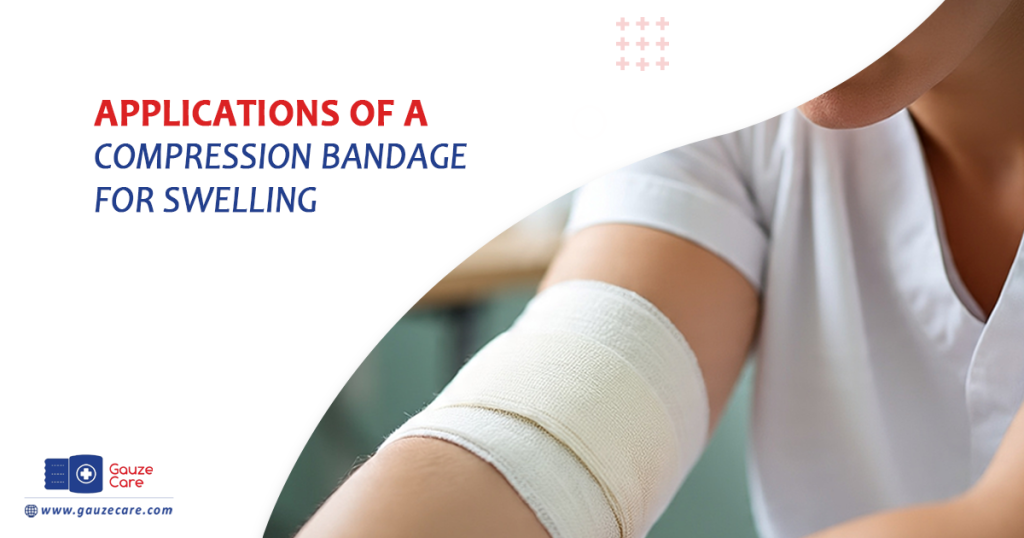
Managing swelling after an injury can be difficult. A compression bandage for swelling is one of the most trusted methods used in medical treatment today. It applies steady pressure to limit fluid buildup. This article covers the most common medical uses of compression bandages, their key benefits, and how long you should keep one on.
What Is a Compression Bandage?
A compression bandage is an elastic wrap that applies controlled pressure to a swollen or injured area. Unlike standard gauze, an elastic compression bandage stretches to fit the body’s shape. It can be used on most body parts, including joints and limbs. Compression bandages come in different widths and materials depending on the injury type.
How Do Compression Bandages Help Reduce Swelling?
Swelling happens when excess fluid collects in soft tissue after injury or inflammation. Compression bandages apply external pressure that limits this fluid buildup. They also stabilize the area and reduce excess movement. Many healthcare providers recommend compression therapy as part of the R.I.C.E. protocol – Rest, Ice, Compression, and Elevation – for acute injuries like sprains.
Common Medical Uses of a Compression Bandage for Swelling
Compression bandages are used across many medical situations. They are helpful for post-surgical recovery, sports injuries, and chronic conditions such as venous insufficiency. Doctors and physical therapists often recommend a compression bandage wrap as a first-line approach to swelling. Their versatility makes them useful for both short-term acute injuries and long-term chronic conditions.
Compression Bandage for Knee Swelling
The knee is prone to swelling after ligament sprains, meniscus injuries, or arthritis flare-ups. A compression bandage for knee swelling stabilizes the joint and limits fluid accumulation. A knee compression bandage should be snug but never restrict circulation. Avoid applying it too tightly over the kneecap, as this can increase pain rather than relieve it.
Compression Bandage for Ankle Swelling
Ankle sprains are among the most common musculoskeletal injuries. A compression bandage for ankle swelling limits movement and helps control inflammation. Wrapping the ankle in a figure-eight pattern ensures even pressure distribution. This approach is most effective immediately after the injury. It slows the inflammatory response and supports mobility during early recovery.
Compression Bandage for Leg Swelling
Leg swelling can result from poor circulation, prolonged standing, or post-surgical recovery. A compression bandage for leg swelling improves venous return and reduces fluid accumulation. It is often recommended for patients at risk of deep vein thrombosis (DVT) or with varicose veins. A compression leg bandage can reduce discomfort and help manage chronic swelling.
Compression Bandage for Foot Swelling
Foot swelling often follows fractures, plantar fasciitis, or long periods of inactivity. A compression bandage for foot swelling provides gentle support while allowing some range of motion. For best results, wrap from the base of the toes and move upward toward the ankle. If any part of the foot turns blue or goes numb, remove the bandage immediately.
What Are the Key Benefits of Using Compression Bandages?
Compression bandages offer several well-documented advantages in injury management. From reducing pain to improving circulation, these simple devices play an important role in recovery. Just as choosing the right type of wound dressing matters for wound care, picking the correct compression bandage makes a real difference in outcome.
- They reduce swelling by limiting fluid accumulation in soft tissue.
- They stabilize injured joints and reduce the risk of further damage.
- Elastic compression bandages support faster recovery after sprains and strains.
- They improve blood circulation, which promotes tissue repair.
- They are reusable, adjustable, and cost-effective for most patients.
- They are non-invasive and require no special medical equipment to apply.
How Long Should You Keep a Compression Bandage On?
The ideal wear time depends on the injury and its severity. For mild swelling from a sprain, 48 to 72 hours is usually sufficient. For post-surgical recovery, your doctor may recommend wearing one longer. This follows the same daily checkpoints outlined in our guide on how often to change a bandage – inspect the skin once daily and rewrap if needed.
Always remove the compression bandage at least once daily to check the skin for redness, numbness, or irritation. Never sleep with a compression bandage for swelling on unless a healthcare provider specifically advises it. If the area feels colder than usual, tingles, or turns blue, remove the bandage right away and seek medical advice.
Conclusion
A compression bandage for swelling is a practical and effective tool in injury management. Whether you are dealing with knee, ankle, leg, or foot swelling, proper application can speed up recovery and reduce pain. Always follow your healthcare provider’s instructions on how to apply and how long to wear your compression bandage for the safest results.
Frequently Asked Questions
Are compression bandages good for all types of swelling?
Compression bandages work well for swelling caused by injuries, surgery, or poor circulation. However, they are not recommended for swelling related to arterial disease, open wounds, or skin infections. Always consult a healthcare provider if you are unsure whether compression therapy is appropriate for your condition.
How do you properly apply a compression bandage for swelling?
Start wrapping from the point farthest from the heart and move upward. Overlap each layer by about 50 percent. The bandage should feel firm but not painful. Check circulation by pressing a fingernail – it should return to pink within two seconds of release.
Can you shower with a compression bandage on?
Most standard compression bandages should be removed before showering, as moisture reduces their effectiveness. After washing and drying the area, rewrap the bandage before resuming activity. Some modern waterproof elastic compression bandages are available for patients who need continuous support.
Should I sleep with a compression bandage on?
In most cases, compression bandages should be removed at night. Sleeping with one on can restrict circulation and cause discomfort. If your doctor recommends overnight use – such as for severe post-surgical swelling – follow their specific instructions carefully and check the skin each morning.
When should I stop using a compression bandage for swelling?
You can generally stop using a compression bandage when swelling has fully resolved and the area feels stable during normal movement. For chronic conditions or post-surgical recovery, follow your healthcare provider’s discharge instructions. Stopping too early can allow swelling to return quickly.